
Are Salads Healthy? Benefits of Eating Salad for Work & Weight Loss
Are Salads Healthy? What Science & Nutrition Say
Salads have long been associated with healthy eating — but are salads actually good for you? The short answer is yes, when prepared correctly.
For busy professionals in NYC, salads are one of the most convenient ways to maintain balanced nutrition while managing a demanding schedule.
Let’s break down why salads are healthy — and when they aren’t.
- Rich in Vitamins & Antioxidants
Leafy greens like arugula, spinach, and romaine lettuce are packed with:
- Vitamin A
- Vitamin C
- Vitamin K
- Folate
- Fiber
These nutrients support immune health, digestion, and energy levels — which is especially important during long office days.
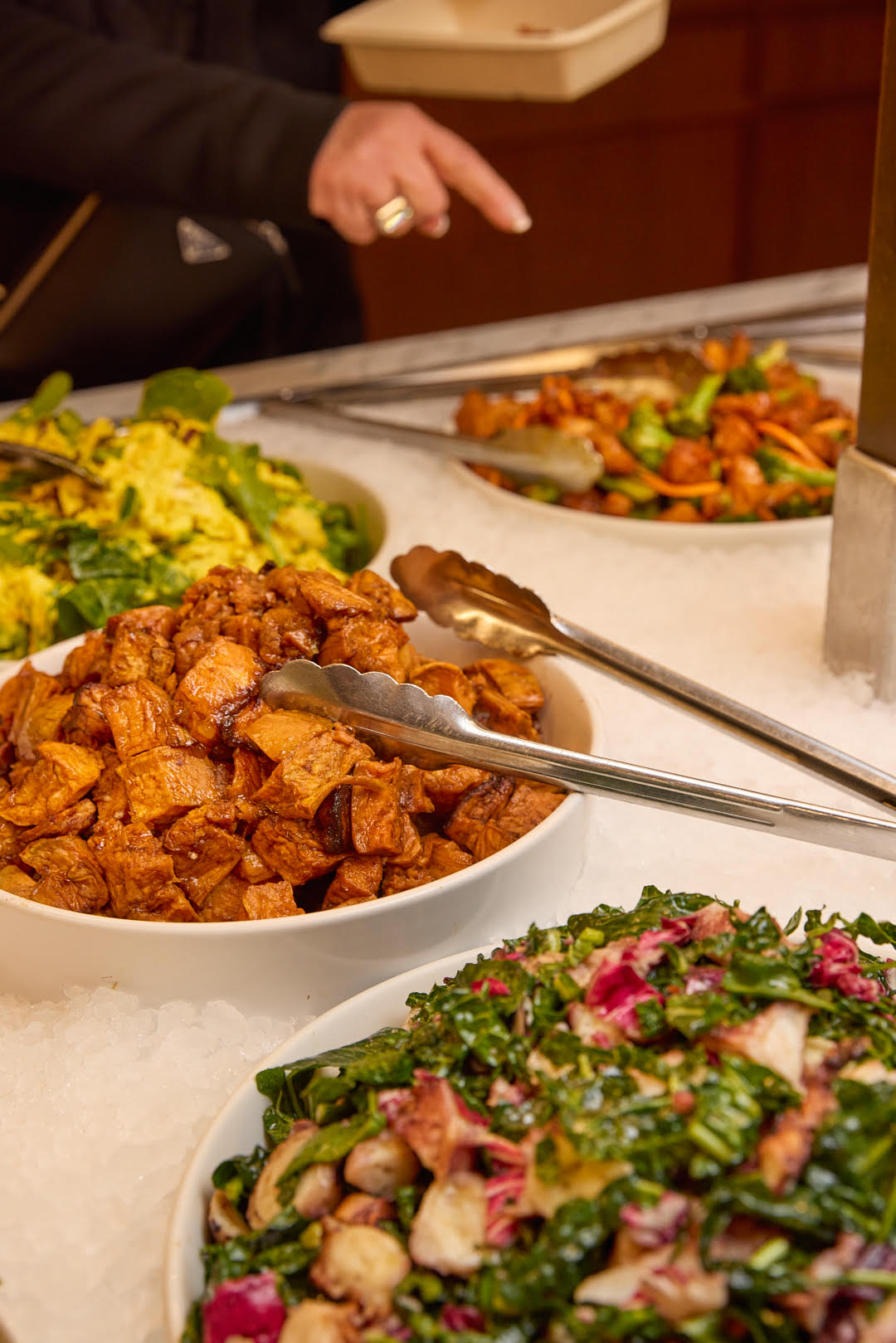
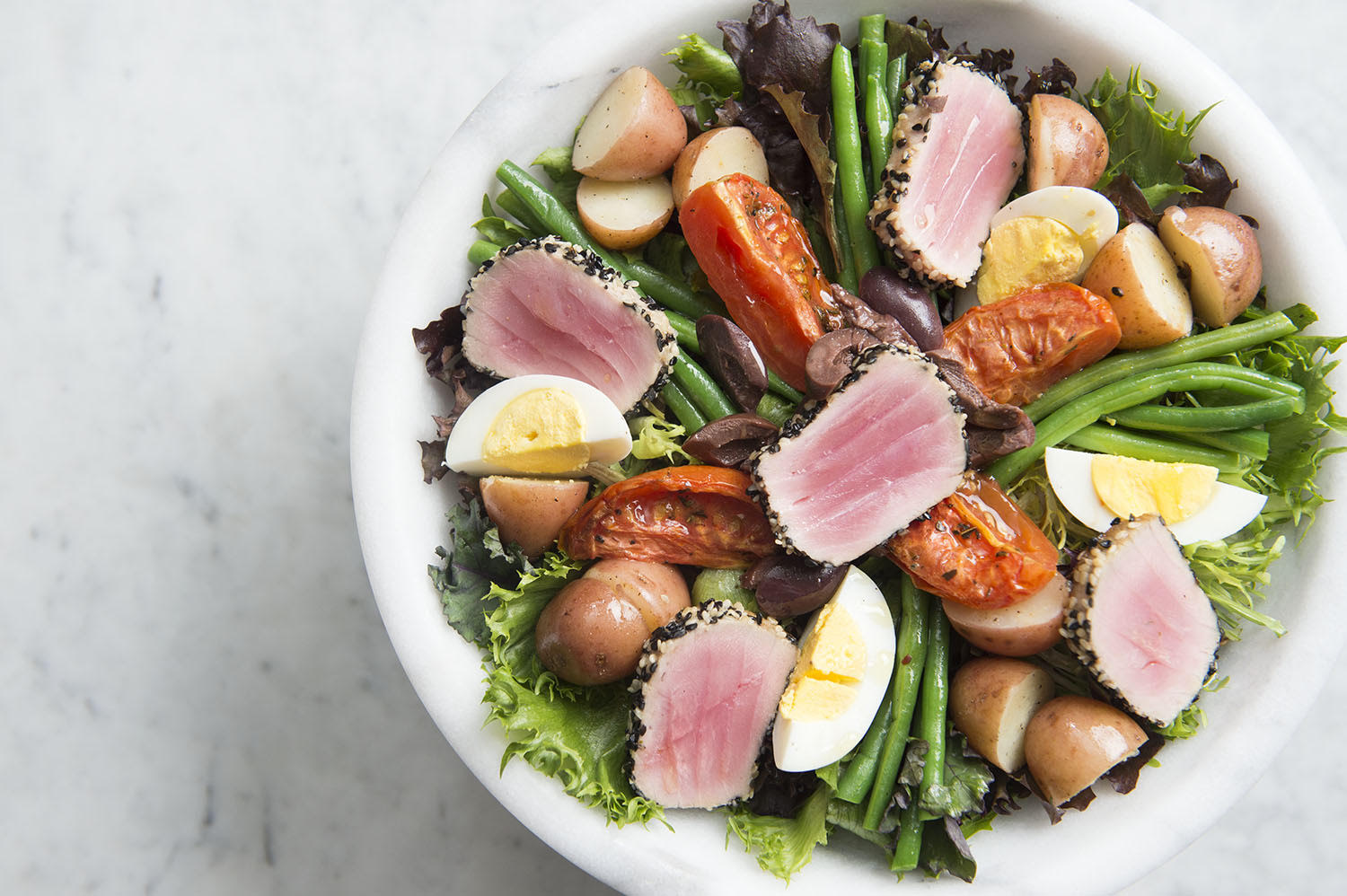
Fresh seasonal salads, like those offered in many Italian cafés and catering menus, often combine greens with vegetables, seeds, and lean proteins for a complete meal.
- Supports Weight Management
Salads are typically lower in calories but high in volume. This helps you feel full while consuming fewer calories compared to heavier lunch options.
When built properly, a balanced salad includes:
- Leafy greens
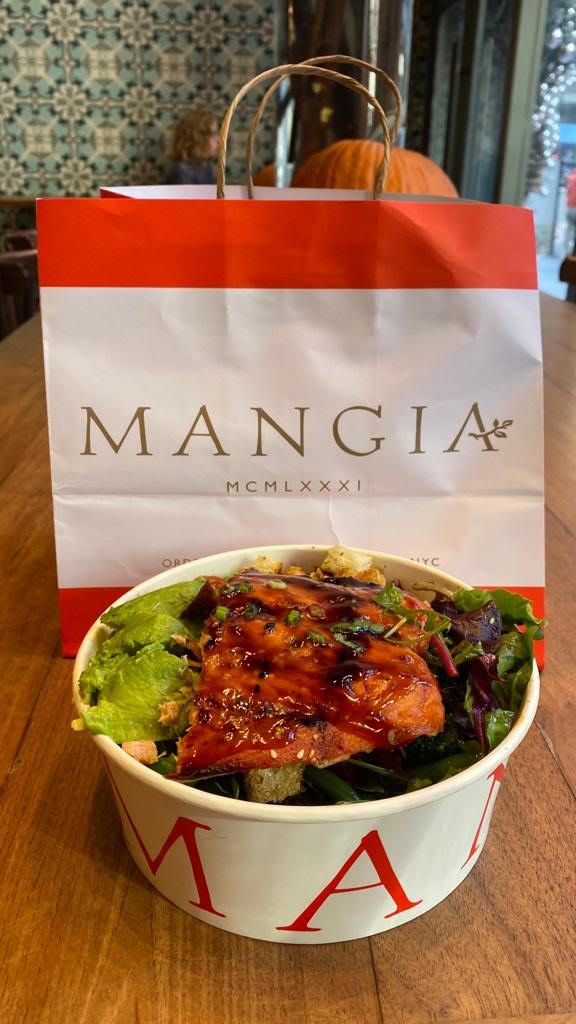
- Lean protein (chicken, salmon, tofu)
- Healthy fats (olive oil, avocado, nuts)
- Complex carbs (quinoa, farro)
Many NYC professionals choose salad-based lunches during workdays because they provide sustained energy without afternoon sluggishness.
Mangia’s salad menu, for example, includes protein-forward and Mediterranean-inspired options that combine flavor with nutrition.
- Improves Energy & Focus at Work
Heavy lunches often lead to afternoon fatigue. High-carb, fried foods can spike blood sugar and then cause a crash.
Salads made with balanced ingredients help maintain stable energy levels. This is why many companies incorporate fresh salads into their office catering programs.
A lighter lunch can improve productivity, especially during long meetings or high-focus work sessions.
- Digestive Health Benefits
Fiber-rich vegetables promote healthy digestion and gut health. Ingredients like leafy greens, cucumbers, tomatoes, and carrots support digestive function and hydration.
Adding olive oil-based dressings (common in Italian cuisine) provides healthy fats that improve nutrient absorption.
When Salads Are Not Healthy
Not all salads are automatically healthy. Problems occur when:
- Loaded with heavy creamy dressings
- Excessive fried toppings
- High sodium processed meats
- Large portions of cheese
A well-balanced salad focuses on fresh ingredients and moderate portions.
Why Salads Work Well for Office Catering
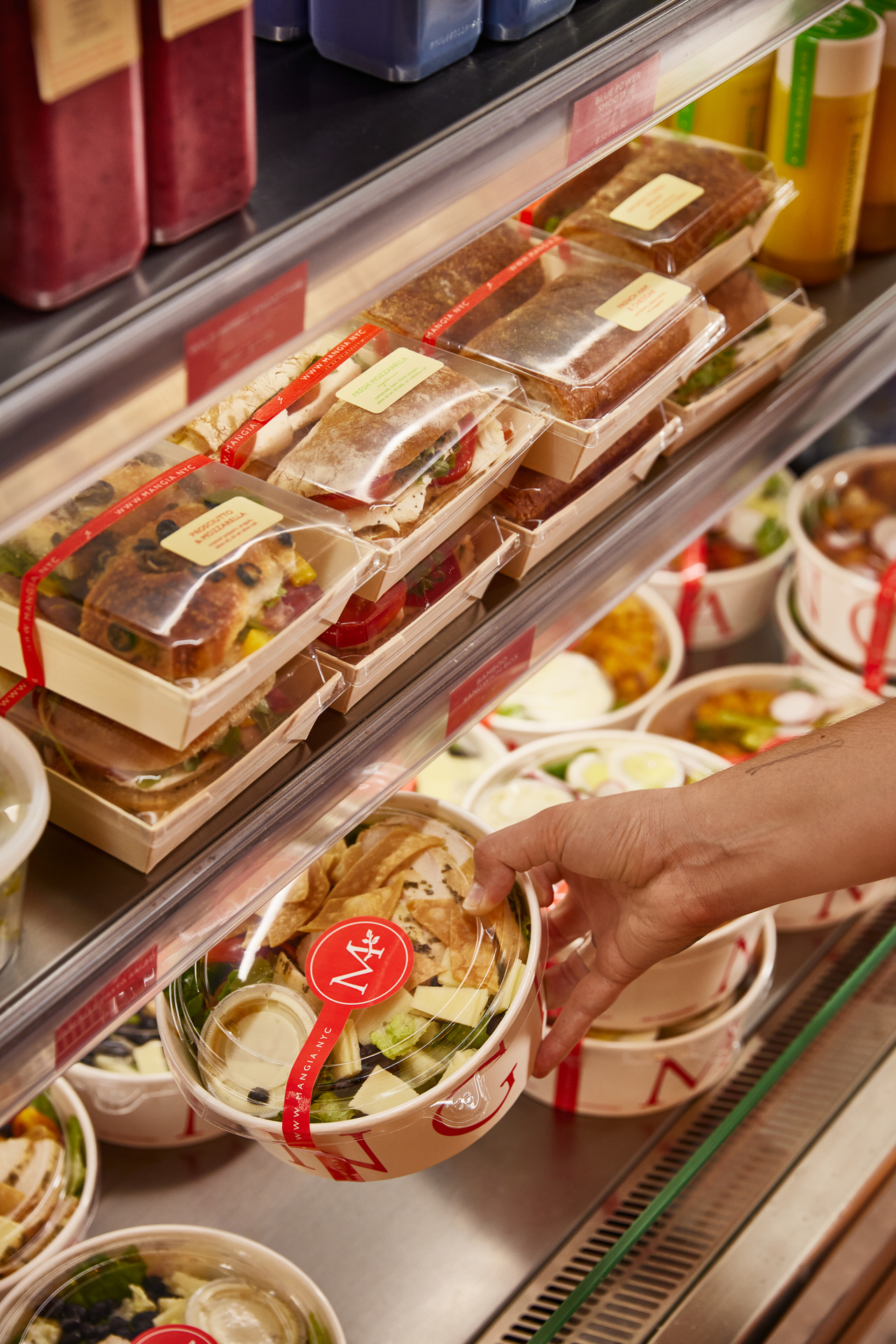
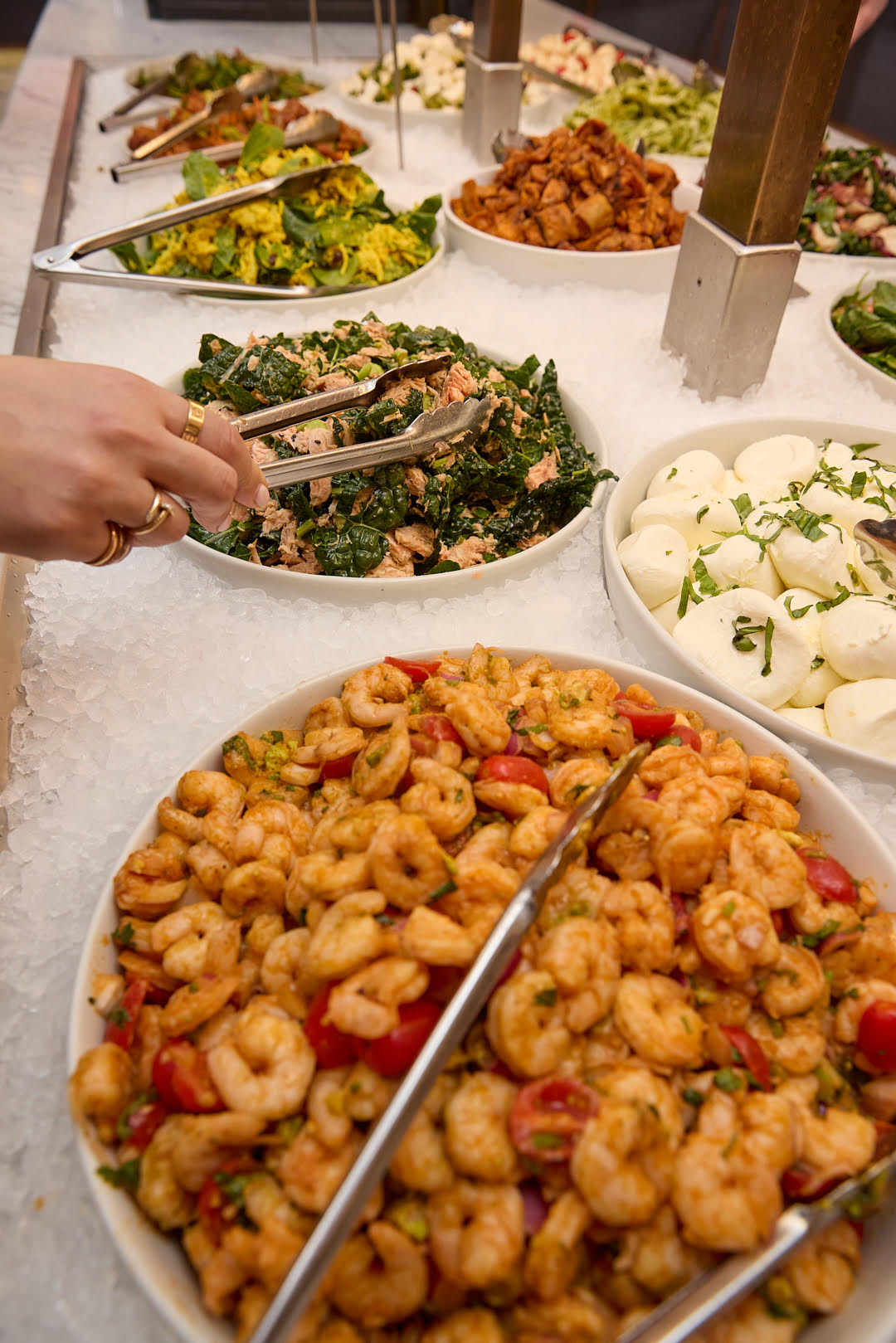
Corporate lunch catering increasingly includes salad platters and individually packaged bowls because they:
- Accommodate multiple dietary preferences
- Travel well
- Stay fresh
- Offer visual appeal
NYC catering providers with experience in high-volume fresh preparation — like Mangia — integrate seasonal salads into both individual and shared catering formats.
Final Answer: Are Salads Healthy?
Yes — when made with fresh, balanced ingredients, salads are one of the healthiest lunch options available.
They support:
- Weight management
- Digestive health
- Stable energy
- Workplace productivity
For busy NYC professionals, a well-prepared salad isn’t just “diet food” — it’s smart fuel.
DOWNLOAD OUR NEW APP


DOWNLOAD OUR NEW APP
Get 10% OFF
Skip the Lines! Ordering catering, pick-up or delivery just got a whole lot easier.

GET IN TOUCH
Please fill out the form below and we will contact you within 24 hours.

